How to Make a 6lack Type Beat That Actually Sounds Like Nightfall
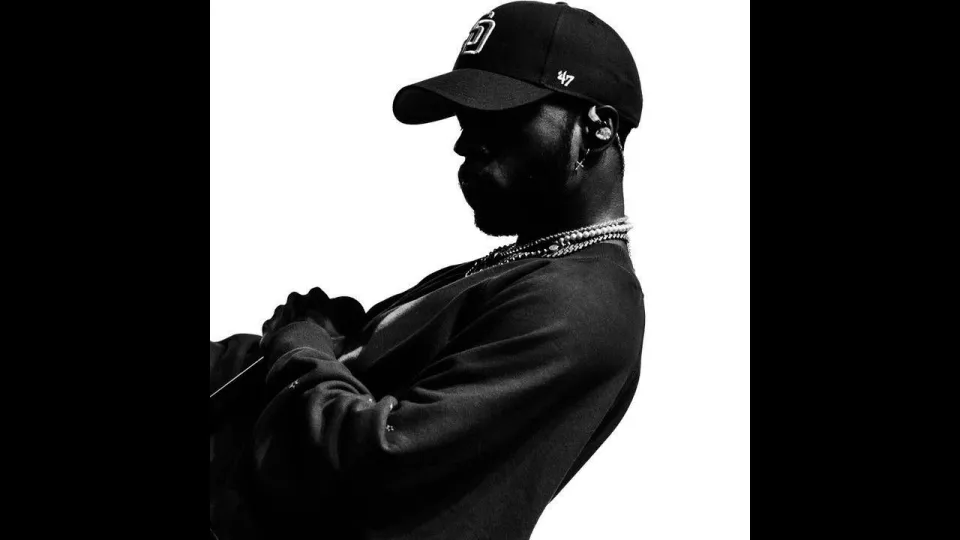
Video: (FREE) 6lack Type Beat - "Nightfall"
· based on the channel Young Guid
A 6lack type beat is a dark, minimal trap instrumental built around slow-to-mid tempo drums, spacious reverb, and melancholic minor-key melodies that leave room for introspective, half-sung vocals. The formula is narrower than general trap: fewer hi-hat rolls, softer 808s, and atmosphere over aggression. Young Guid's "Nightfall" is a clean example of that template — 143 BPM in D# minor, free for non-profit use, with untagged files and licensing available through the Young Guid BeatStars store.
What Defines the 6lack Type Beat Sound
The 6lack type beat sound sits closer to atmospheric R&B than to club trap, and every production choice serves that mood. 6lack's catalog — from "FREE 6LACK" through "Since I Have a Lover" — leans on restrained arrangements where the vocal carries the emotion and the beat frames it rather than competes with it. Producers chasing this style copy four things:
- Tempo in the 130–150 BPM range, usually counted in double time so the perceived groove feels like 65–75 BPM.
- Minor keys, most often D# minor, C# minor, or F minor, with simple two- or four-chord loops.
- Sparse, punchy drums: a soft kick, a snare or clap with heavy reverb, and hi-hats that stay quiet instead of stuttering.
- Melodic layers — filtered pads, ambient guitar, or a pitched vocal chop — drenched in reverb and delay.
"Nightfall" follows all four: 143 BPM, D# minor, and a title that tells you exactly what the mood is supposed to be. If you are searching for a 6lack dark type beat or a 6lack sad type beat, this is the reference point to measure your own loop against.
How to Build the Beat Step by Step
Starting with the melody before the drums is the fastest route to a convincing 6lack type instrumental. Work in this order:
- Set the session to 143 BPM and D# minor. Locking the key early stops you from writing a loop you cannot transpose later without losing the vibe.
- Write a four- or eight-bar chord loop. Two chords are enough. A i–VI or i–VII movement in D# minor gives the melancholic pull without sounding busy.
- Choose one lead texture. A detuned electric piano, a muted guitar, or a reversed pad. Add reverb with a long decay and a tempo-synced delay at a low mix level.
- Program drums last. Place the kick on the downbeats, the snare on the third beat, and keep hi-hats to straight eighth or sixteenth notes with minimal variation.
- Tune the 808 to the root note. In D# minor that is D#. Glide between notes rather than stacking them, and keep the 808 short so it does not smear the low end.
- Leave space in the midrange. Cut frequencies between roughly 300 Hz and 2 kHz on the melodic layers so a vocal can sit there without fighting the beat.
A common mistake is over-arranging. 6lack type beats often run a single loop for most of the track and change only the drum density — dropping the hats, muting the 808, or adding a counter-melody in the last section.
Mixing for a Dark, Vocal-Friendly Instrumental
The mix in this style is about restraint, not loudness. Keep the master peaking around -6 dB before any limiting, and treat the beat as a bed for a voice rather than a standalone track.
- Low end: high-pass everything except the kick and 808. Sidechain the 808 to the kick lightly so they do not clip together.
- Drums: compress the kick for consistency, but avoid heavy saturation — the texture should stay soft.
- Melodies: roll off below 200 Hz, then add a subtle chorus or tape emulation for width.
- Reverb: use one shared reverb bus for the snare, pads, and vocal chops so the space feels like a single room.
- Reference: A/B your loop against a released 6lack track at matched perceived volume, not matched fader position.
If the instrumental sounds empty on its own, that is usually correct. The emptiness is what makes a 6lack free instrumental easy to write to.
License Terms You Need to Know Before Using "Nightfall"
"Nightfall" is free for non-profit use only, which covers YouTube and SoundCloud uploads that are not monetized. It is not cleared for Spotify, Apple Music, or any other streaming platform, and commercial release requires a purchased license.
You are not allowed to register the beat in Content ID or any copyright system such as BMI or ASCAP without an exclusive license. That restriction exists because registering a free beat in Content ID can flag or demonetize every other artist using the same instrumental.
For an untagged, high-quality file, purchase through the BeatStars store rather than ripping audio from a video. The store page also handles lease tiers, so you can pick the terms that match your release plan.
Getting Your Vocals to Sit on This Kind of Beat
Recording over a 6lack type beat rewards a specific vocal approach, and it is mostly about performance rather than plugins. Sing-rap in a low register, keep the delivery conversational, and let the ends of phrases fall off instead of resolving them.
- Record a main take, then two doubles panned left and right.
- Add a quiet ad-lib track, filtered and pushed back in the mix.
- Use a short plate reverb for the main vocal and a longer delay for the ad-libs.
- Compress the vocal in two stages — a fast stage for peaks and a slower stage for glue.
- Automate the vocal down slightly during the busiest drum sections.
Because the instrumental leaves the midrange open, you can keep the vocal dry and upfront without it sounding harsh.
Picking the Right Free 6lack Type Beat
Not every free 6lack type beat is usable for a release, so check three things before you write. First, confirm the tempo and key are listed — "Nightfall" states 143 BPM and D# minor, which saves you time matching a vocal idea. Second, read the usage terms; "free for non-profit" and "free for profit" are different licenses, and only the second lets you monetize. Third, verify you can get an untagged file, since a producer tag in the middle of a verse cannot be removed later.
Search terms like 6lack type beat 2026, free type beat 6lack, or 6lack type instrumental all lead to the same pool of uploads, so filter by the license text rather than the title. Producers who publish clear terms — as Young Guid does on this beat — are the safer choice for anything you intend to distribute.
Useful Links
- Untagged purchase and licensing: https://youngguidbeats.beatstars.com
- Drum kit used in the workflow: https://bsta.rs/b8Dn3
- Instagram: https://www.instagram.com/young_guid/
- Telegram: https://t.me/youngguidbeats
Final Thoughts
A convincing 6lack type beat comes down to restraint: a slow-feeling groove at 143 BPM, a D# minor loop with two or three chords, soft drums, and a mix that leaves the middle of the frequency range open for a voice. "Nightfall" checks those boxes and states its terms clearly, which makes it a practical starting point rather than just a listening exercise. Build your own loop using the six steps above, then compare it against this reference to hear where your arrangement is too busy. The beat was produced and published by the channel Young Guid, whose BeatStars store is the place to grab the untagged file and a license if you plan to release commercially — head to youngguidbeats.beatstars.com to pick your tier.
Key takeaways
- "Nightfall" by Young Guid runs at 143 BPM in D# minor.
- The beat is free for non-profit use only — YouTube and SoundCloud without monetization.
- Commercial use, Spotify, and Apple Music require a purchased license.
- Content ID, BMI, and ASCAP registration are not allowed without an exclusive license.
- Untagged files, the drum kit, and licensing are handled through BeatStars.
Source: (FREE) 6lack Type Beat - "Nightfall" · Markdown version
Questions & answers
What BPM and key is a typical 6lack type beat?
Most 6lack type beats sit between 130 and 150 BPM in a minor key, counted in double time so the groove feels slower. Young Guid's "Nightfall" is set at 143 BPM in D# minor, which is squarely in that range and gives a melancholic, late-night feel.
Can I use a free 6lack type beat on Spotify?
Not without a purchased license. Free type beats are usually cleared for non-profit YouTube and SoundCloud uploads only, and streaming platforms like Spotify and Apple Music require a commercial license from the producer.
What does "free for non-profit use" actually allow?
It means you can record and upload a song over the beat as long as you are not earning money from it, typically on YouTube or SoundCloud without monetization. You cannot register it in Content ID, BMI, or ASCAP, and you cannot sell or distribute it commercially.
How do I get an untagged version of the beat?
Untagged files come from the producer's store rather than the video description. For "Nightfall", purchases and lease options are handled through the Young Guid BeatStars page at youngguidbeats.beatstars.com.